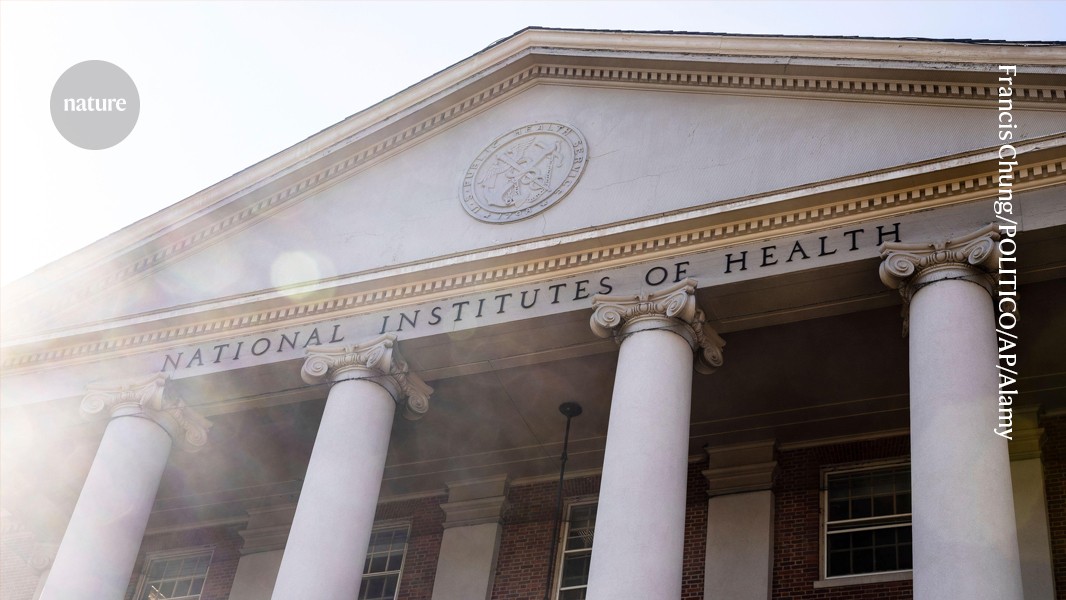
NIH races to spend its 2025 grant money — but fewer projects win funding
Despite political obstacles, officials are on track to disperse all of the reseach funds allocated to US biomedical behemoth.
Nature.com by Max Kozlov
90 articles
Despite political obstacles, officials are on track to disperse all of the reseach funds allocated to US biomedical behemoth.
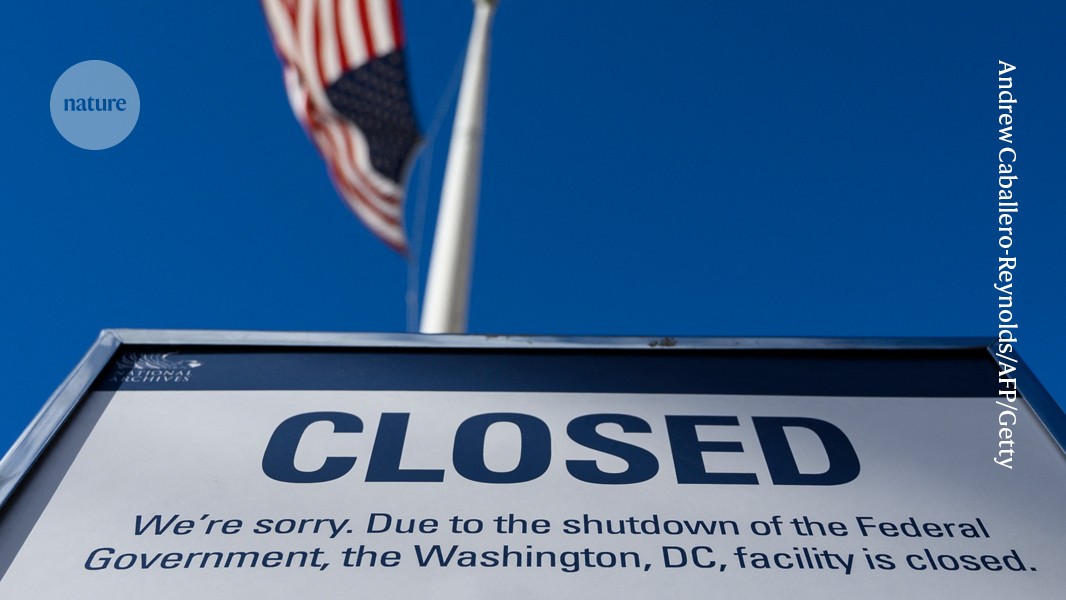
President Trump’s budget office lays out guidelines for mass lay-offs across the federal government.
The country’s output in quality health research is going from strength to strength, but can it overcome questions about the integrity of its publishing practices?
Beyond the crucial data they contain, these digital archives have provided an important space for academic communities to exchange ideas and resources.

“I would never do that, as a scientist,” Susan Monarez says of being asked to approve changes to vaccine recommendations without knowing the details.
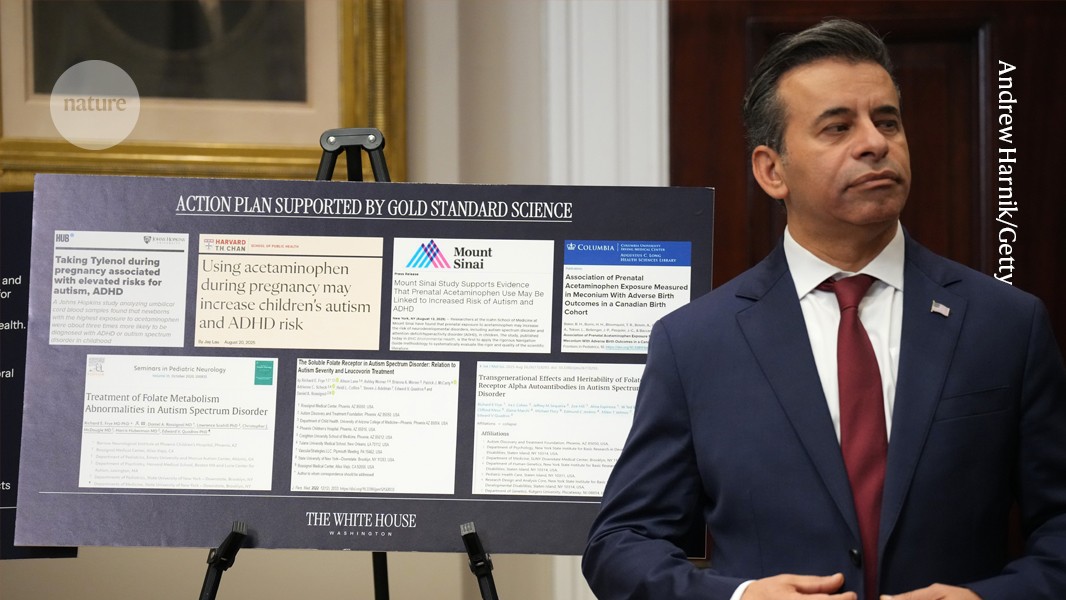
Those who cite scientific studies to support policies should take care to tell the whole story, especially when it’s complex.

An optimistic take on the state of the longevity field provides hope for treating a range of ageing-related diseases — but feels at odds with the current shape of US research.
The most common destination for eventual Nobel laureates in physics, chemistry and medicine since 2000 is the United States, Nature has found.

Researchers warn against ‘top down’ solutions as US President Donald Trump brokers first phase of peace deal.
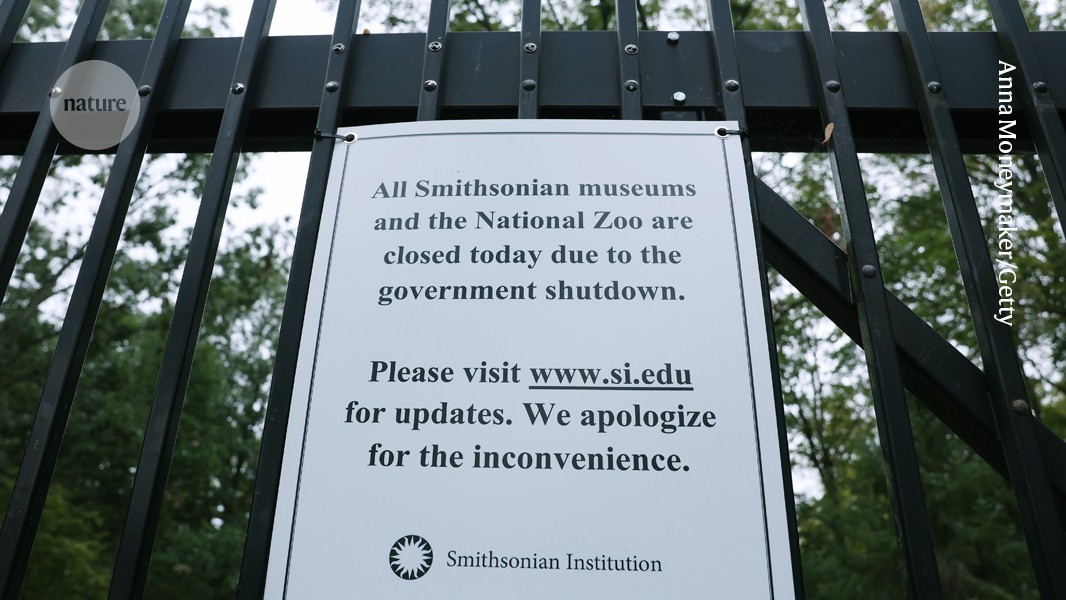
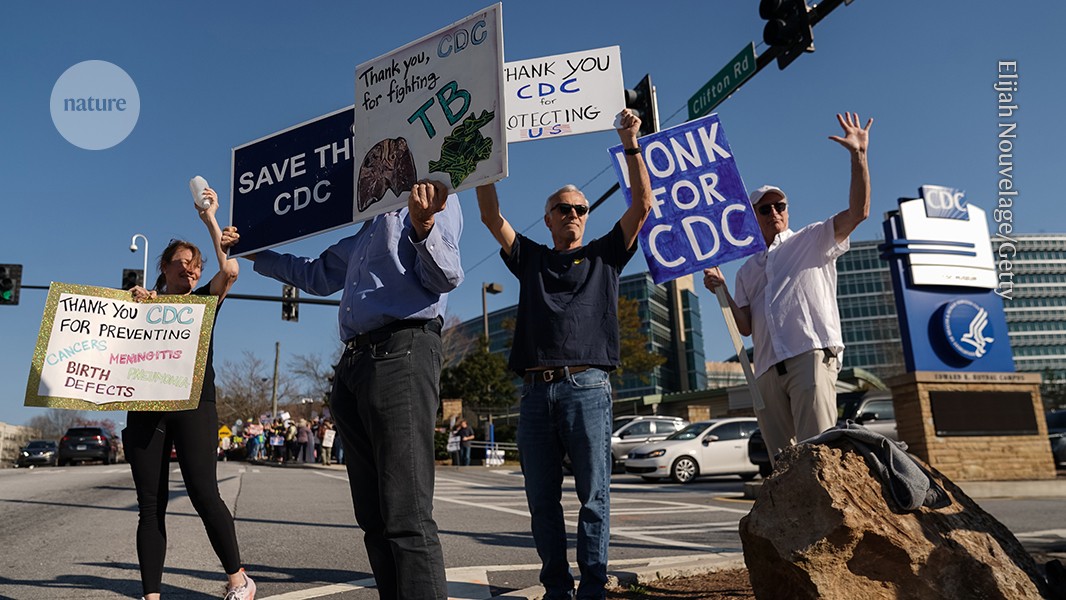
Hundreds of people at the US Centers for Disease Control and Prevention have received layoff notices, and work at many federal laboratories has been suspended.

It's time to radically reimagine global health, leaders tell World Health Summit in Berlin.

Tighter price regulation would deliver fewer new drugs but improve global health.
Politics trumps salary as the main reason academics are looking for jobs in other states, a survey of university educators shows.
Ozempic, MRI machines and flat screen televisions all emerged out of fundamental research decades earlier — the very types of study being slashed by the US government.
In these financially straitened times, funders must recognize that great discoveries often arise from work that was looking for something completely different.
From NASA to the National Institutes of Health, federal agencies conduct research that universities cannot. Agency scientists speak out about the irreplaceable facilities, institutional knowledge and training opportunities that the country is losing.
Researchers feel that pressures to publish are increasing, but the time and resources available to do research are decreasing, according to a survey by Elsevier.
Epidemiologist Michael Osterholm talks about efforts by the Center for Infectious Disease Research and Policy to inform vaccine recommendations and maintain public-health awareness during the Trump administration.

The country is easing migration for young researchers to boost its competitiveness in artificial intelligence (AI), robotics and new materials.
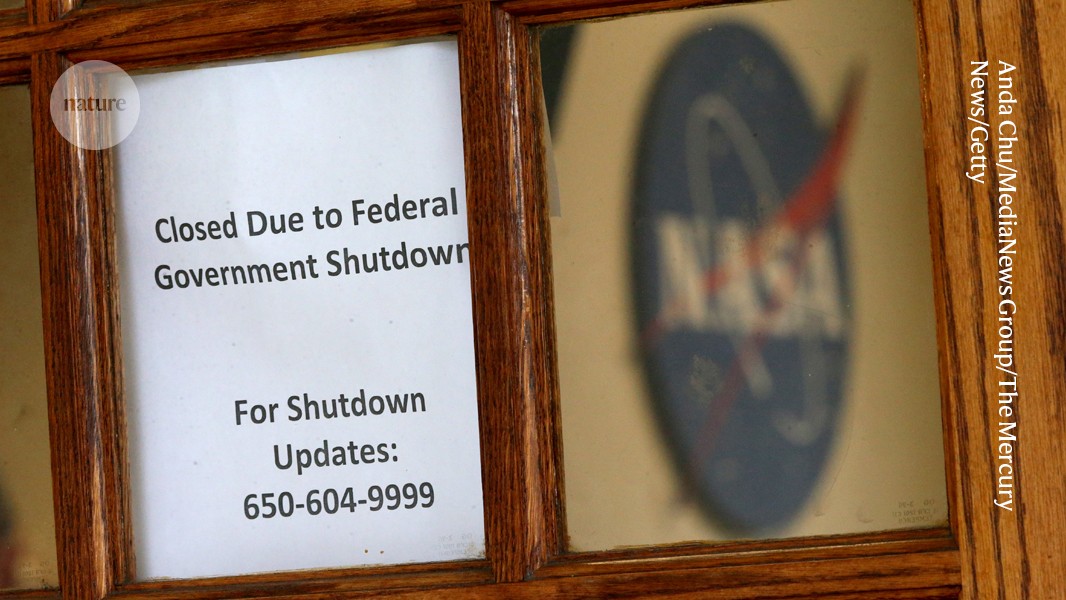
Government researchers are heading back to work, but questions about the size of research-budget cuts will extend into next year.

US withdrawal from monitoring projects has sent the world scrambling for alternatives.
People do not have to dismiss or exaggerate the climate threat to justify concerted action.
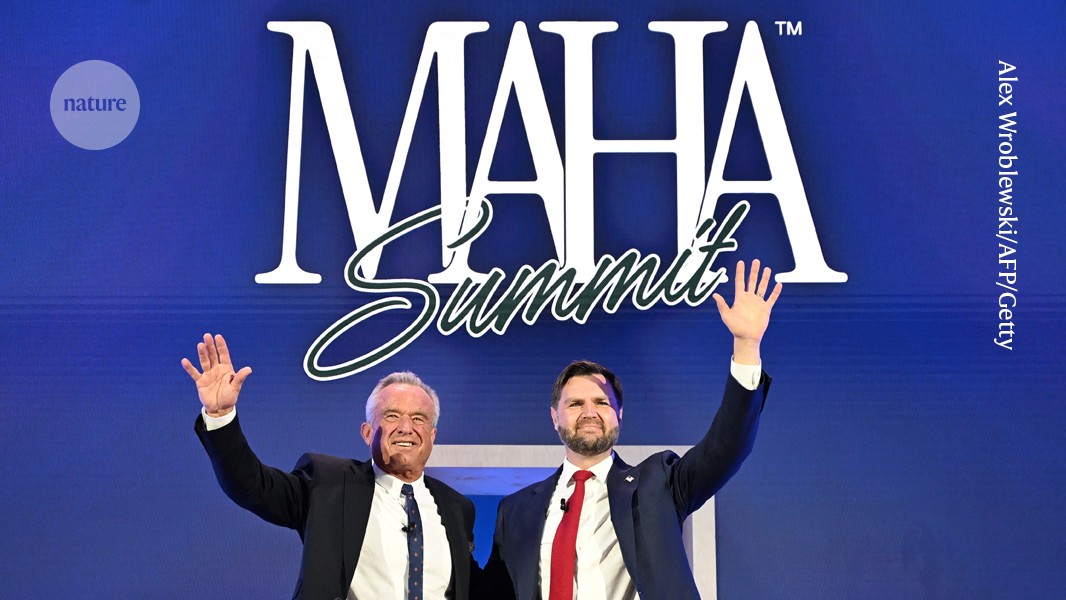
The Make America Healthy Again summit, attended by health secretary Robert F. Kennedy Jr and vice-president JD Vance, gave a sense of what’s driving US health policy.
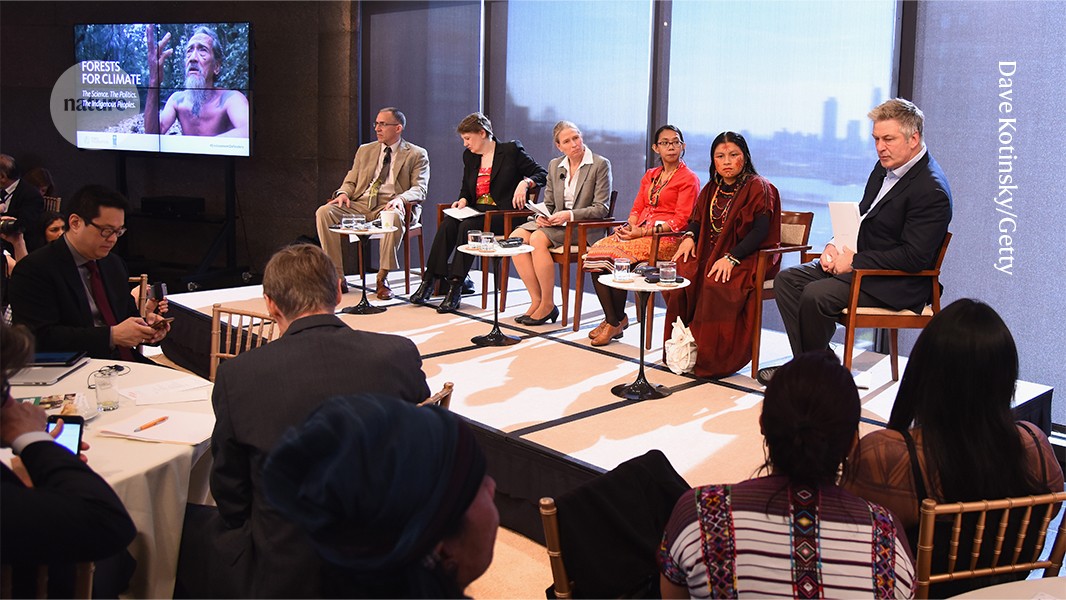
Scientific meetings that support Black, Latino and Indigenous researchers are grappling with funding cuts and other restrictions.
The nation’s next generation of scientists and technologists will shape the coming decades.
Having placed artificial intelligence at the centre of its own economic strategy, China is driving efforts to create an international system to govern the technology’s use.

An analysis of international research collaborations reveals the growing dominance of Chinese science.
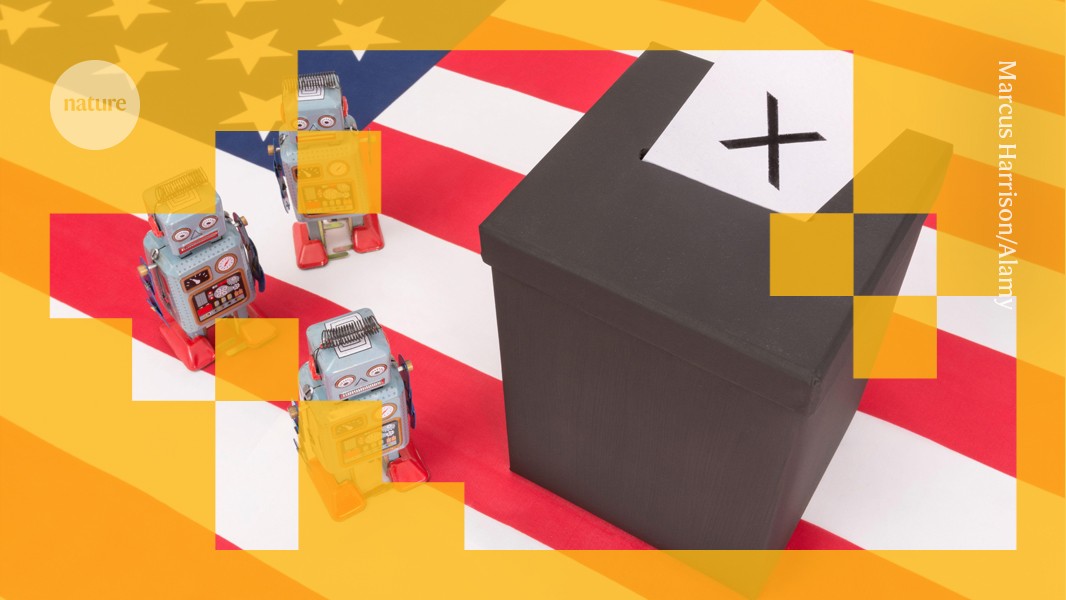
Experiments involving real-world voters show how talking to a chatbot can shape people’s political opinions.

The nation’s regulators are attempting to match the rapid pace at which AI is evolving. That needs to become a global initiative.
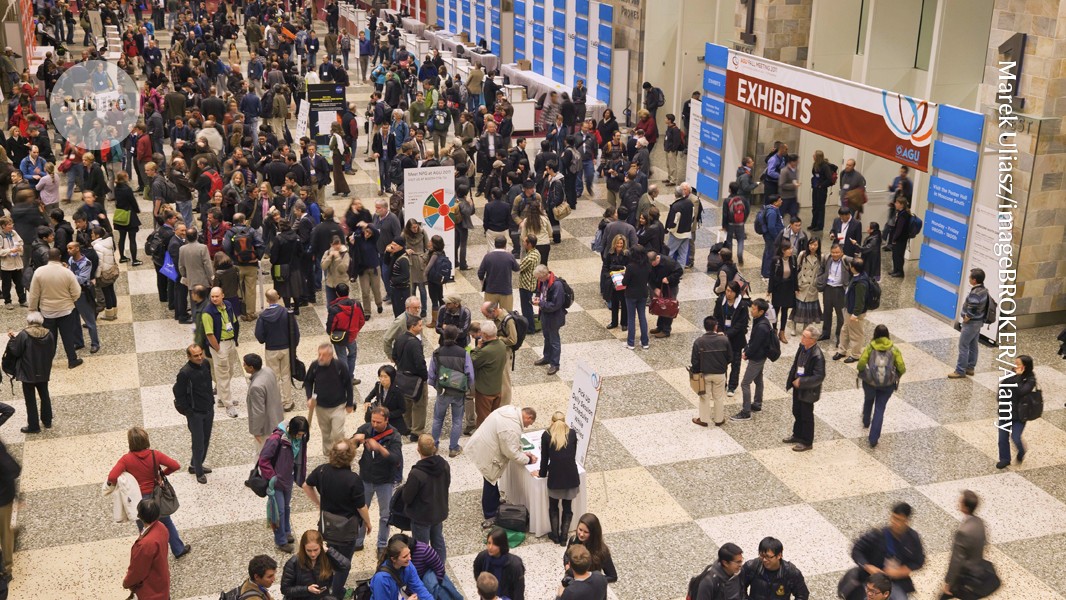
Researchers are devising creative ways to get together as Trump’s policies curb travel to US gatherings.

Much of the National Center for Atmospheric Research’s non-climate portfolio will be dispersed, the White House says.
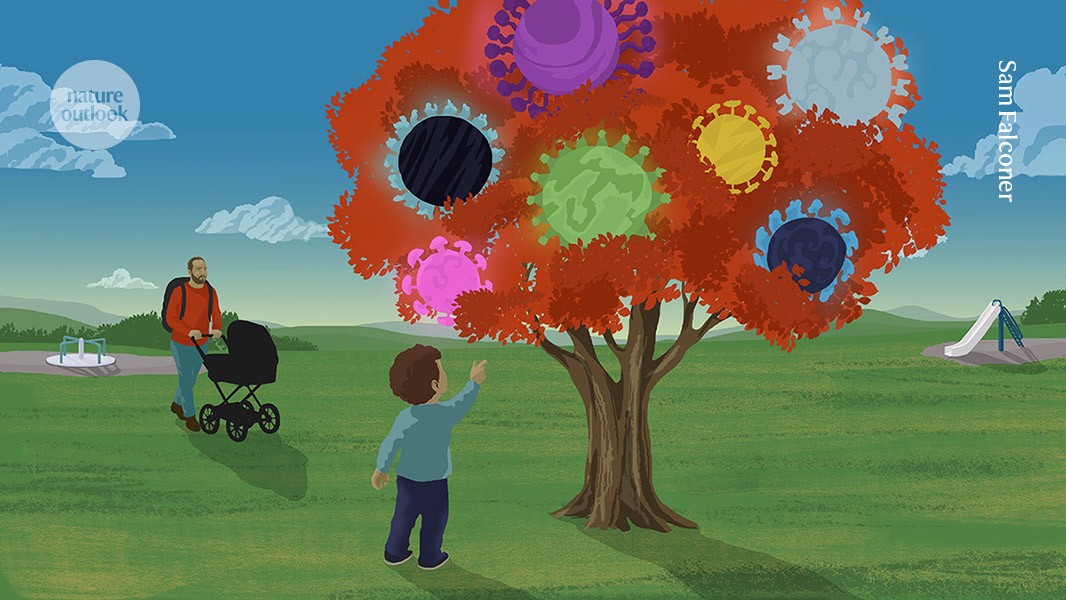
Researchers are striving to understand the impact a phenomenon known as original antigenic sin has on immunity to the virus.
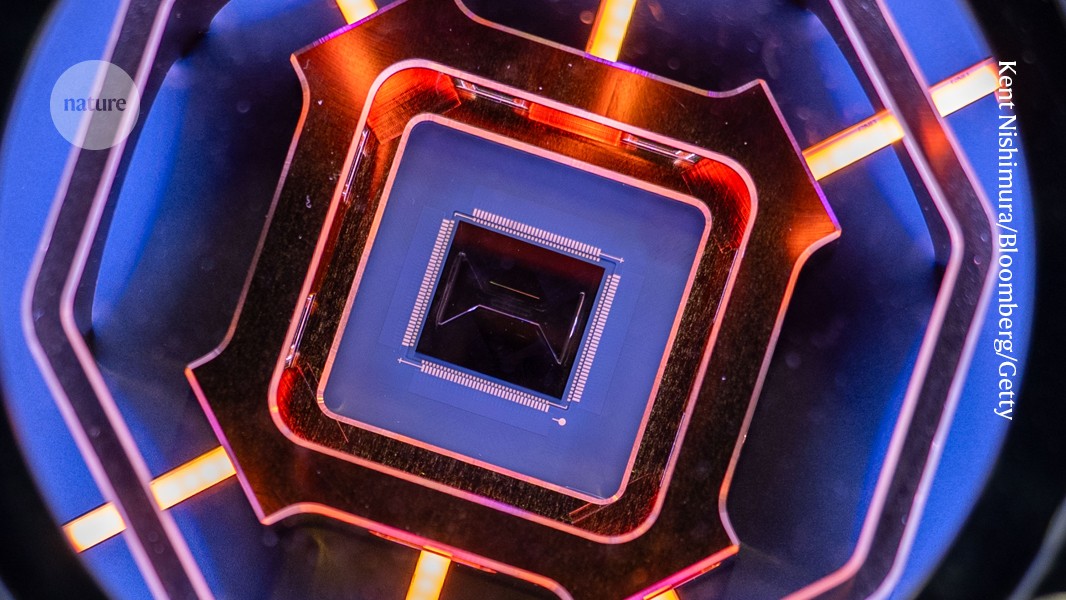
The US administration is banking on public-private partnerships and an expanded workforce to deliver progress, but critics say that this strategy could be offset by other US policies.

AI technologies need to be safe and transparent. There are few, if any, benefits from being outside efforts to achieve this.
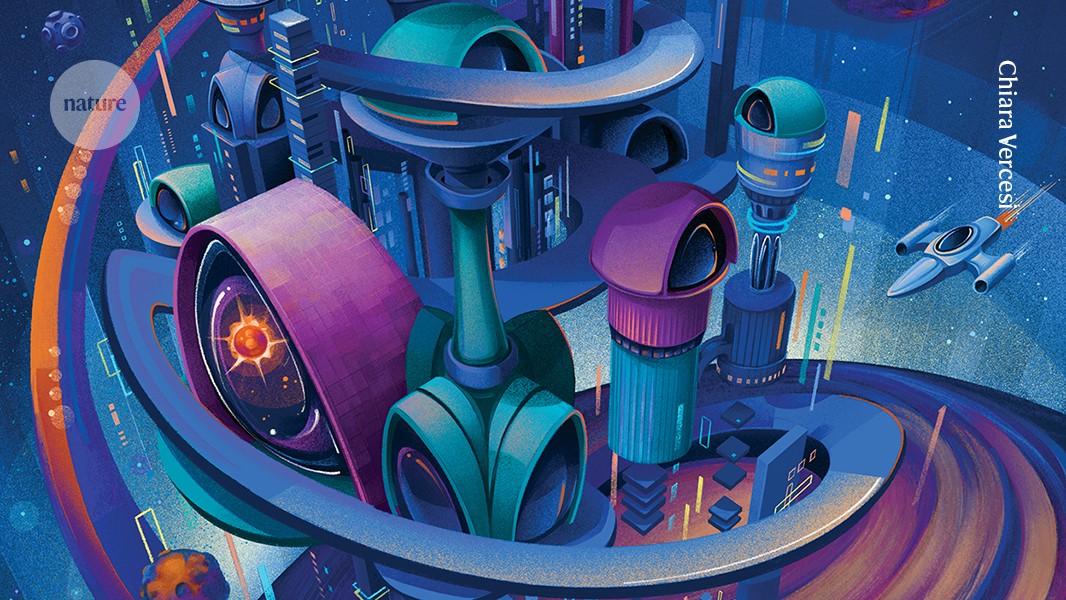
Nuclear fusion. People on Mars. Artificial general intelligence. These are just some of the advances that could come by the mid-century mark.
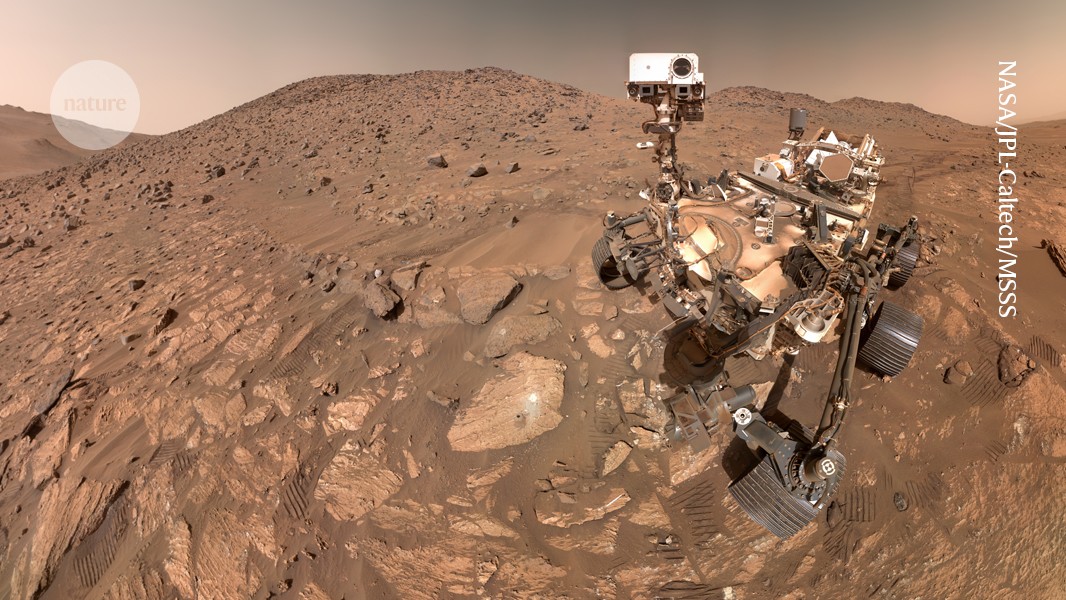
A Congressional bill restores funding for most NASA space science missions, but there is no money for returning samples already collected on the red planet.
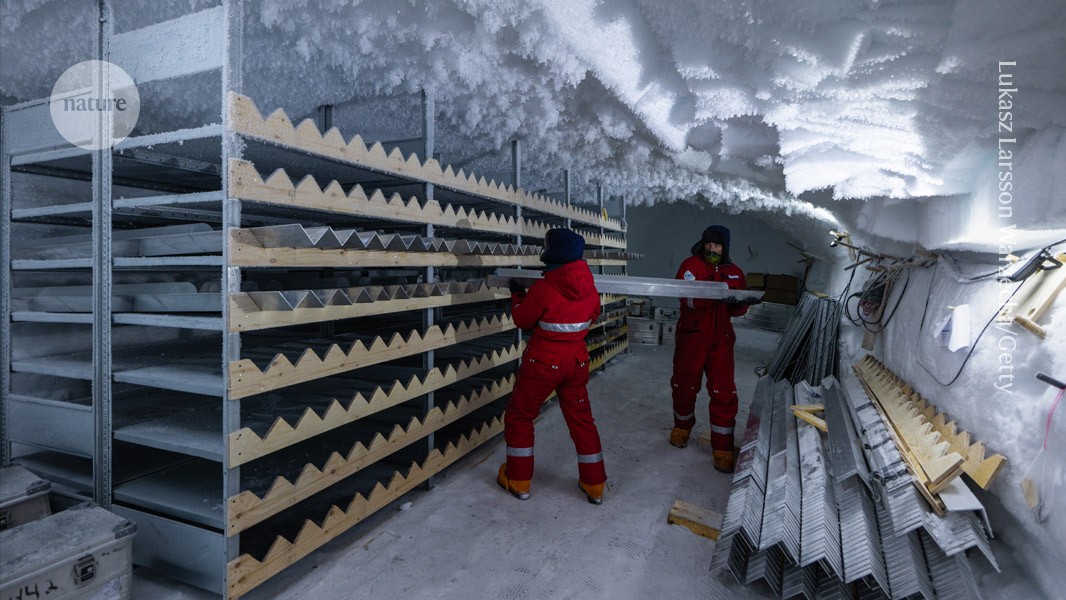
An open letter organized by US-based researchers working in Greenland opposes any takeover of the territory.

A series of graphics reveals how the Trump administration has sought historic cuts to science and the research workforce.
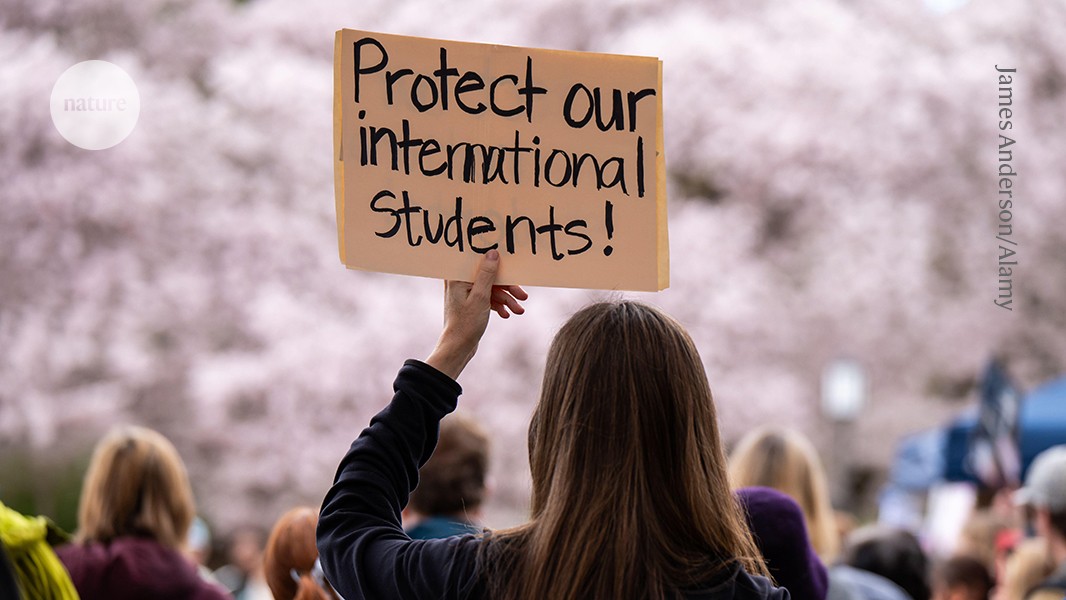
From education to pandemic preparedness and public-health cuts, the past year has seen huge stress put on US science.
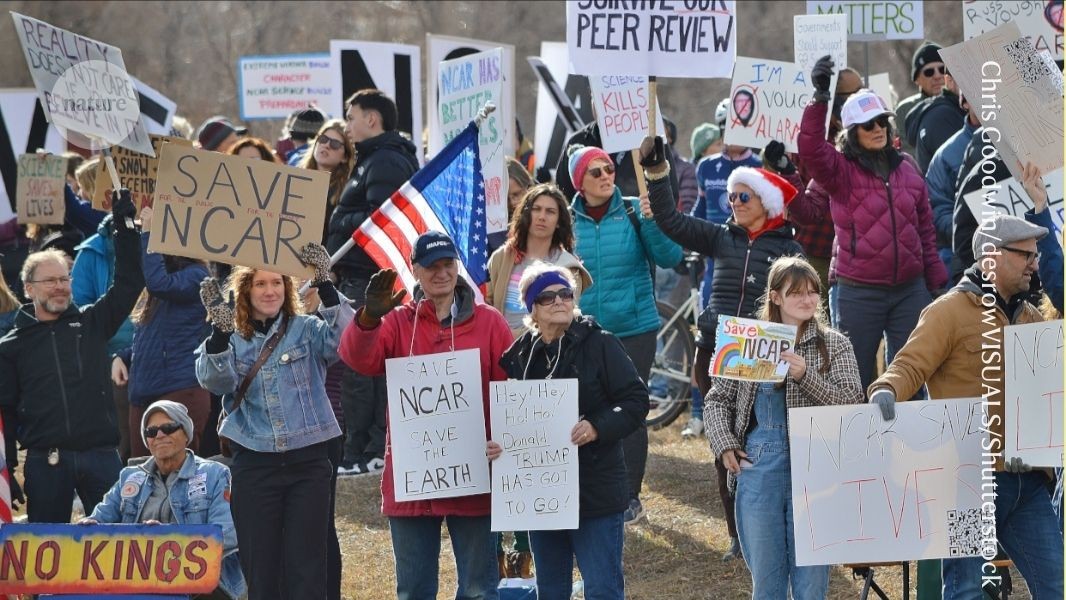
Researchers lay bare the human toll of lay-offs, funding cuts and attacks on science one year after the president’s return to the White House.
The United States is leaving some of the world’s oldest and most influential scientific networks involved in biodiversity research, climate science and conservation. Affected organizations tell Nature that their work continues.
Thirteen of the agency’s advisory councils, which must review grant applications before funding is awarded, are on track to have no voting members.
Wildfire smoke, spore-spread fungal diseases and microplastic are all on the rise, even as the US government slashes support for respiratory research and policy.
Large proportion worked at Columbia University, which had its grants cut and frozen by the administration of US President Donald Trump.
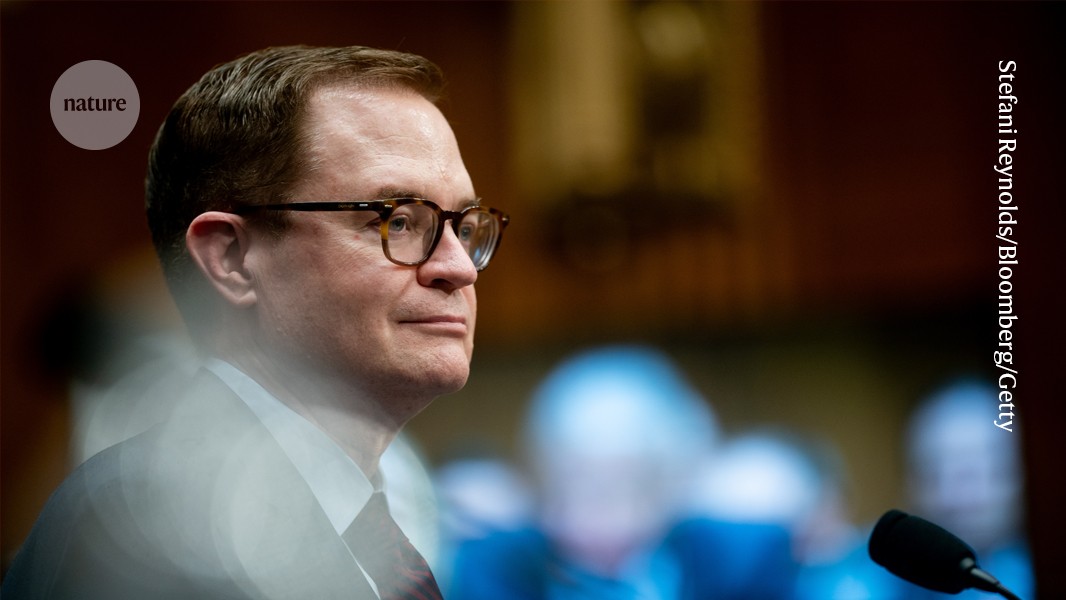
If confirmed by the US Senate, Jim O'Neill would be the first non-scientist or engineer to lead the agency, a big funder of US basic research.
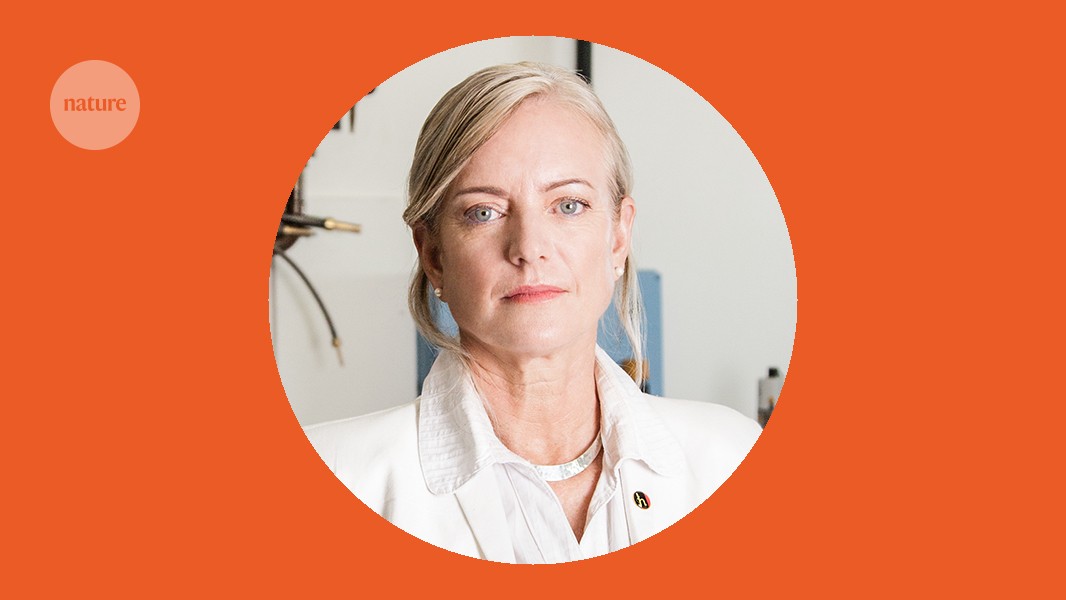
The end of the US–Russia treaty to cap the number of nuclear weapons places the world at risk. Here’s what researchers can do.
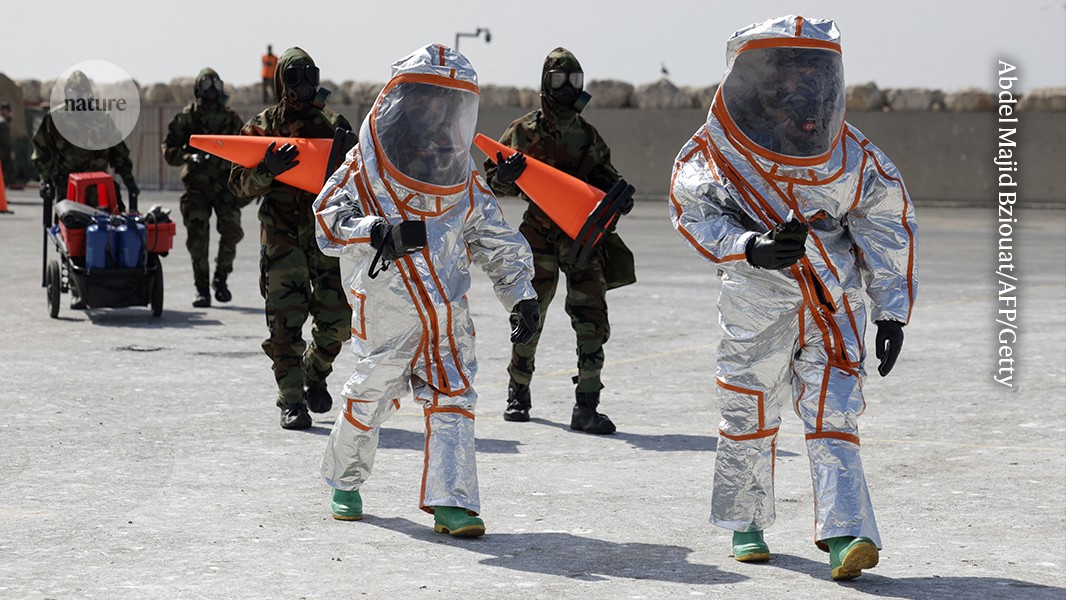
Scientific knowledge about the damaging effects of nuclear-weapons testing helped to end such tests. Those findings haven’t changed.
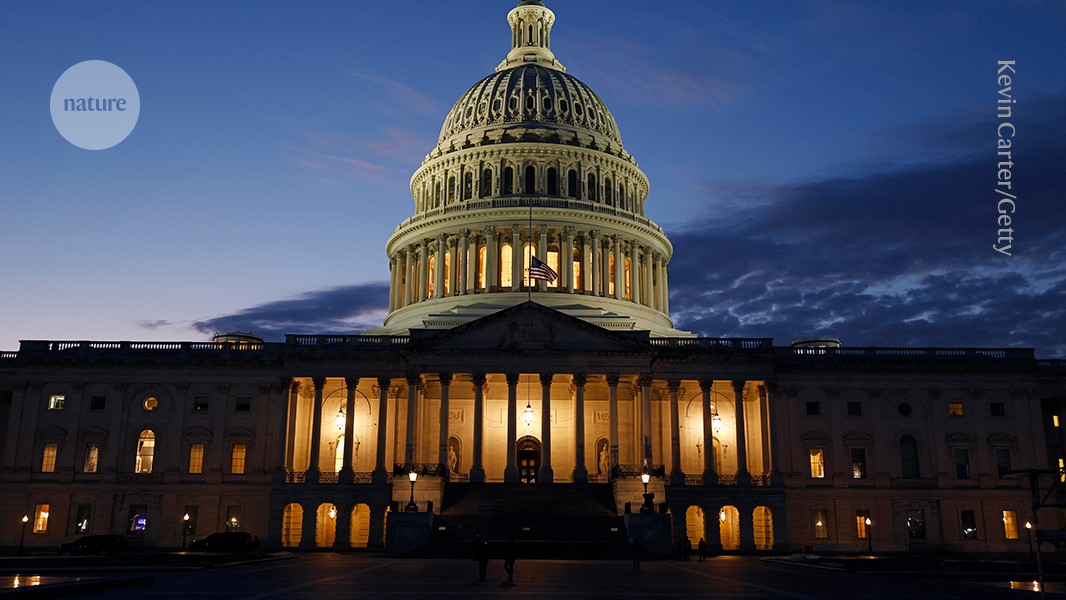
The US Congress rejected sweeping cuts to science agencies. But the NIH, the NSF and NASA have had their spending slowed.
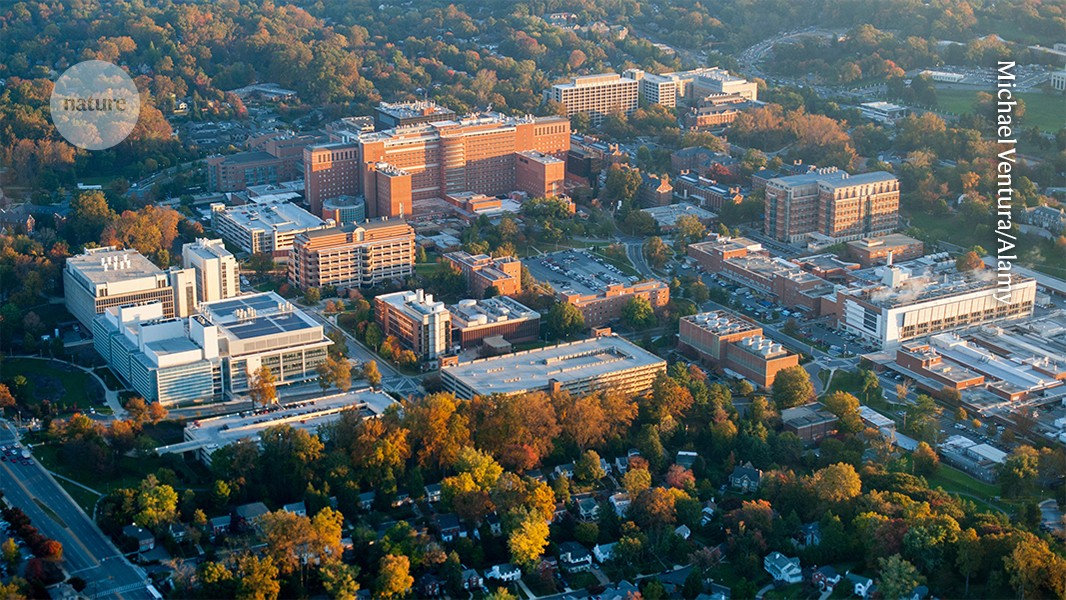
US biomedical funding behemoth says the approach will boost innovation, but some researchers worry that understudied areas of science will suffer.
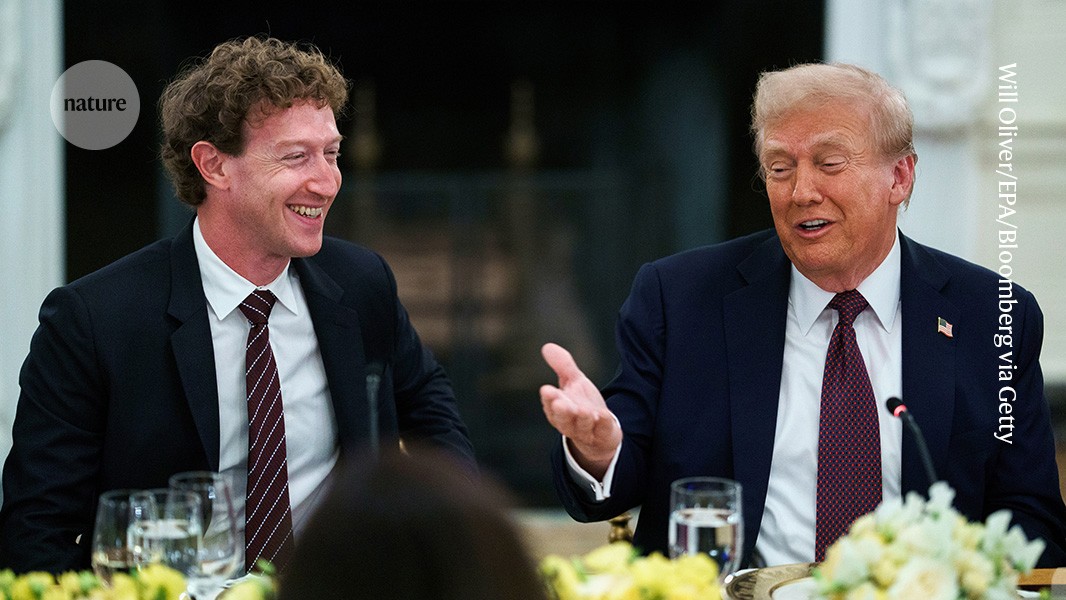
Sparse academic presence on the US President’s Council of Advisors on Science and Technology reflects a focus on technology and industry.
There’s a glaring hole in the president’s new science and tech council
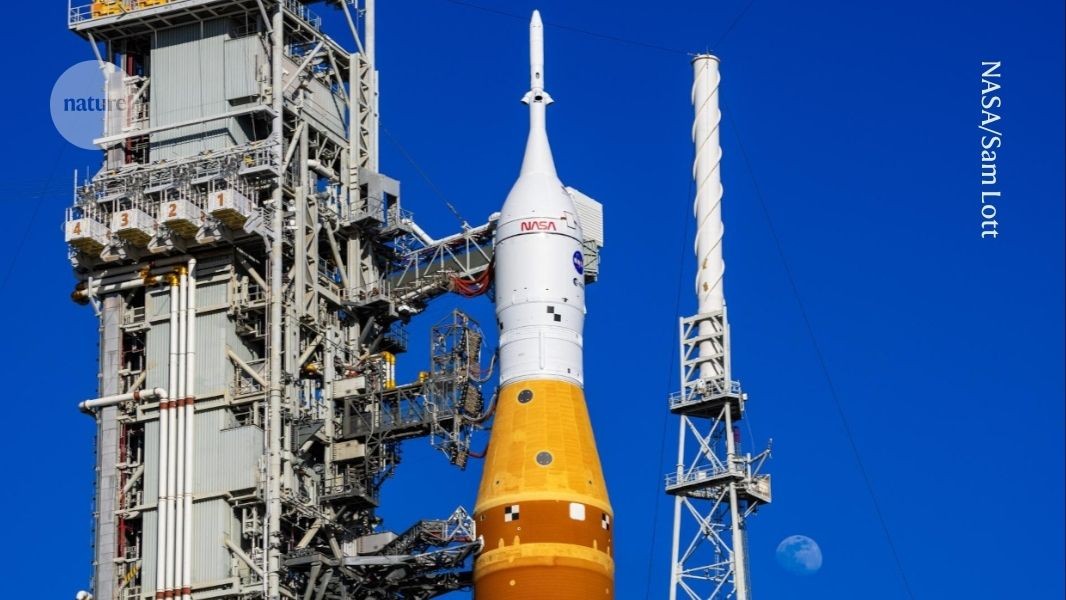
Some researchers remain underwhelmed by NASA’s upcoming lunar fly-by.
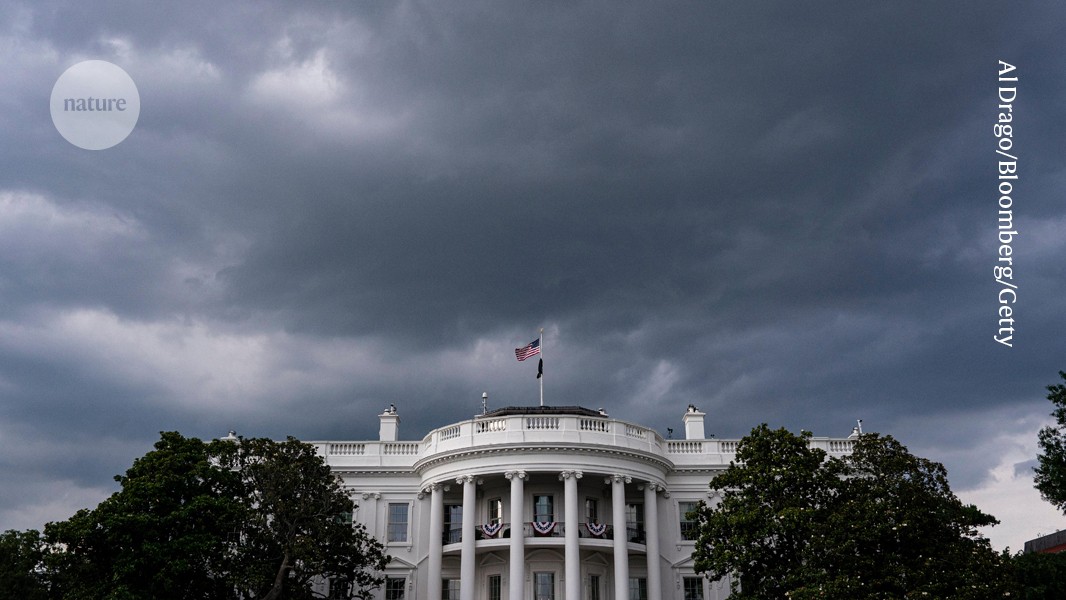
Budget proposal would also curb federal payments for scientific publishing.
Chronic diseases require lifelong maintenance. Here, the authors present ARCH, a closed-loop genetic circuit that autonomously maintains Angiotensin-II homeostasis, demonstrating translational potential against RAS-dependent hypertension.
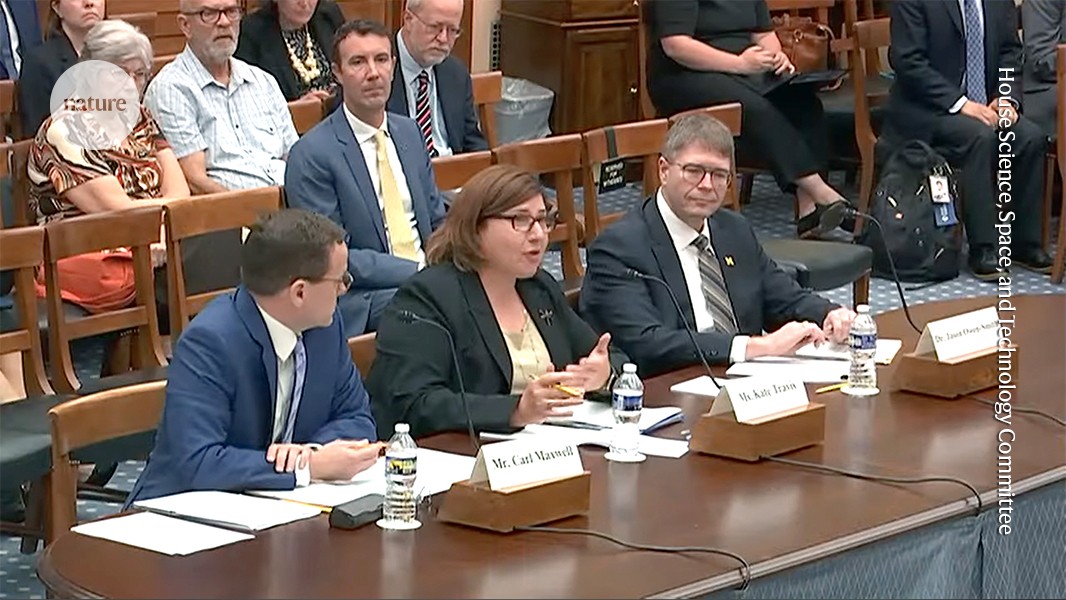
A congressional hearing covered the rise of paper mills and the costs of open-access publishing — but there was little agreement on what reform would entail.
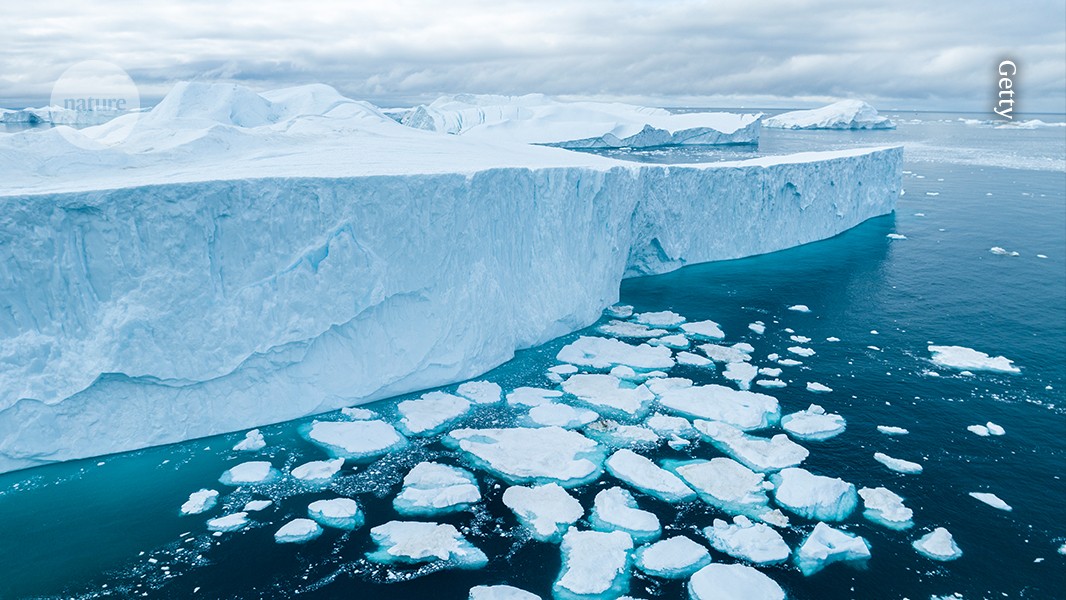
Two experts unpack how trends in climate and geopolitics might unfold to shape the far north.
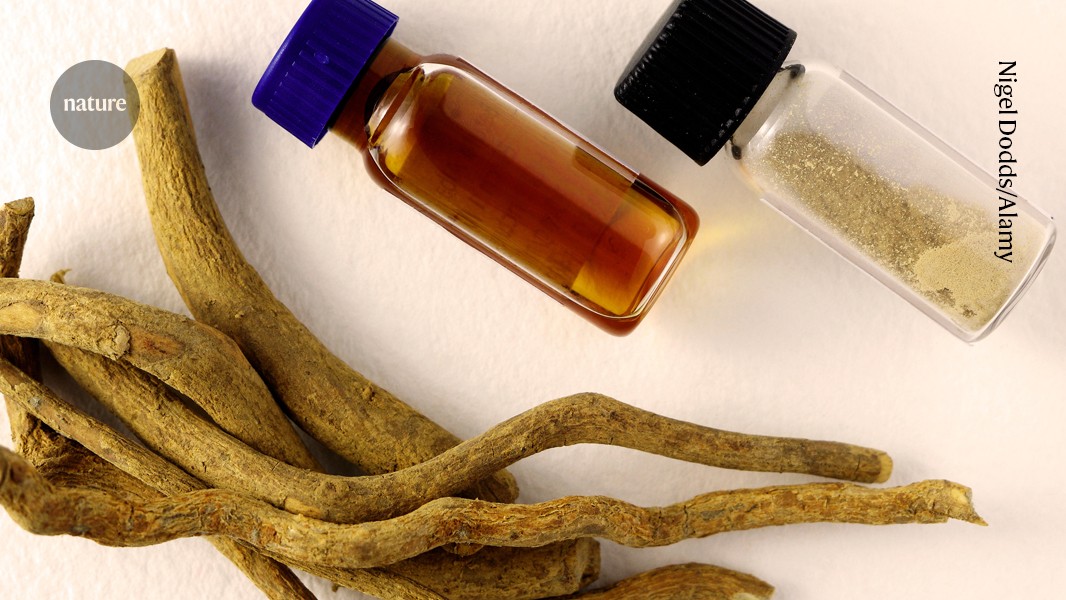
Some researchers are delighted at an executive order to streamline investigations of psychedelics but also warn that caution is needed.
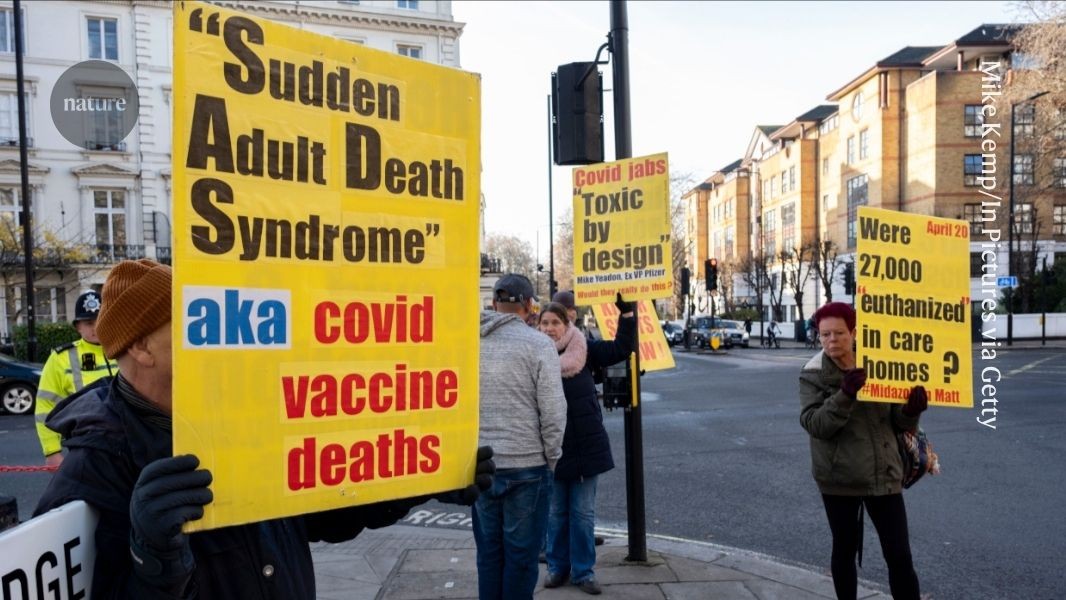
Survey results suggest a rise in questioning of scientific evidence.

Cell biologist Mark Terasaki will give US$25 million of his own money to preserve the legacy of a pioneering scientific institute in Woods Hole, Massachusetts.
The agency is finally ready to distribute a spate of new grants, but it is also preparing substantial cuts to areas such as biological and social sciences.
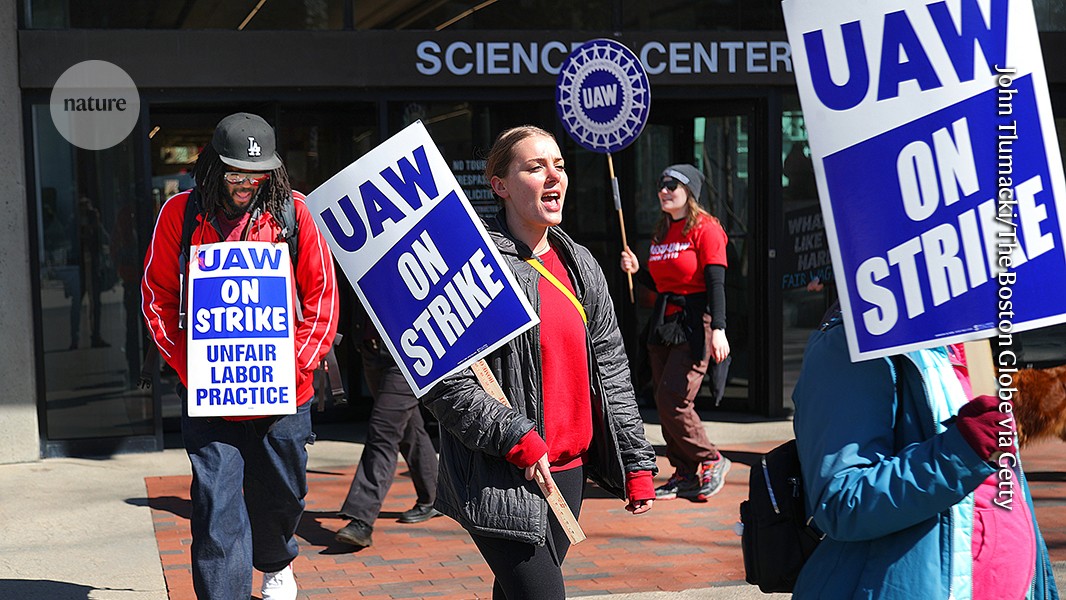
Workers at the elite US university want higher pay, and ask for better protection for students at risk of deportation.
Members of the National Science Board, which the US Congress founded in 1950, were given no explanation for their termination.

The massive computing facilities powering the AI boom have drawn ire for soaking up energy and water on Earth.
A survey reveals sharp divides in who bore the brunt of last year’s spree of grant cancellations by the Trump administration.
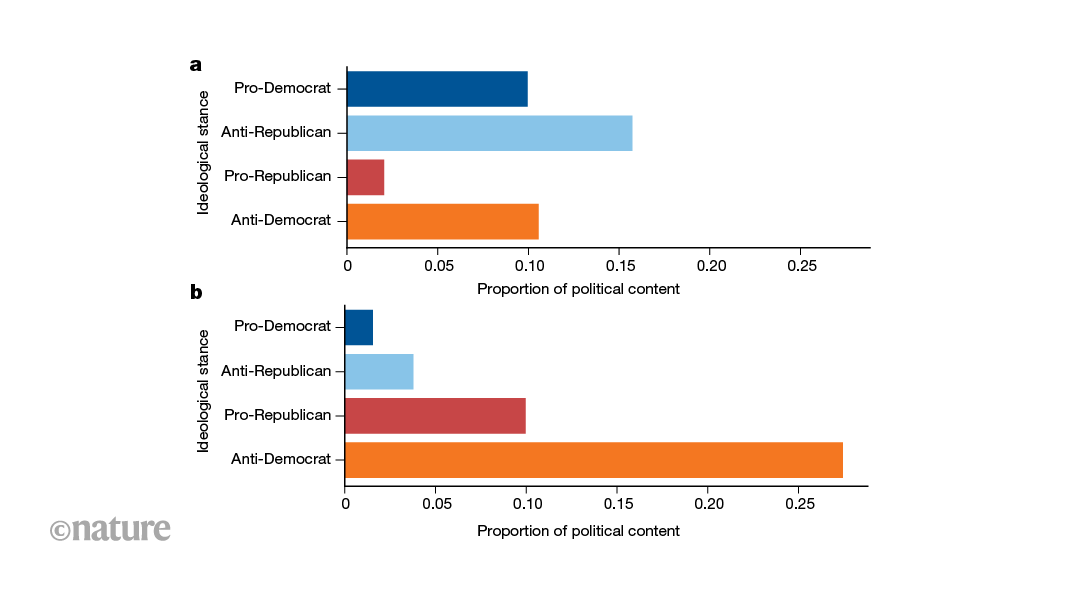
‘Bot’ accounts were directed mostly towards content aligned with the Republican Party.
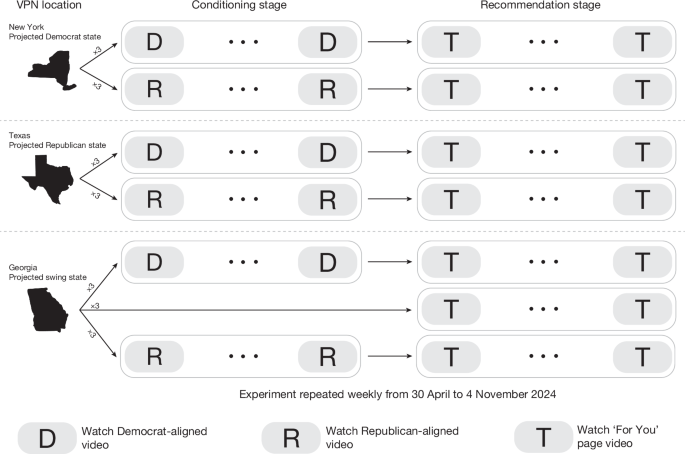
Audit experiments on TikTok show asymmetric partisan exposure that is not explained by observable engagement metrics, with Republican-leaning accounts receiving more aligned content and Democratic-leaning accounts more cross-partisan recommendations.
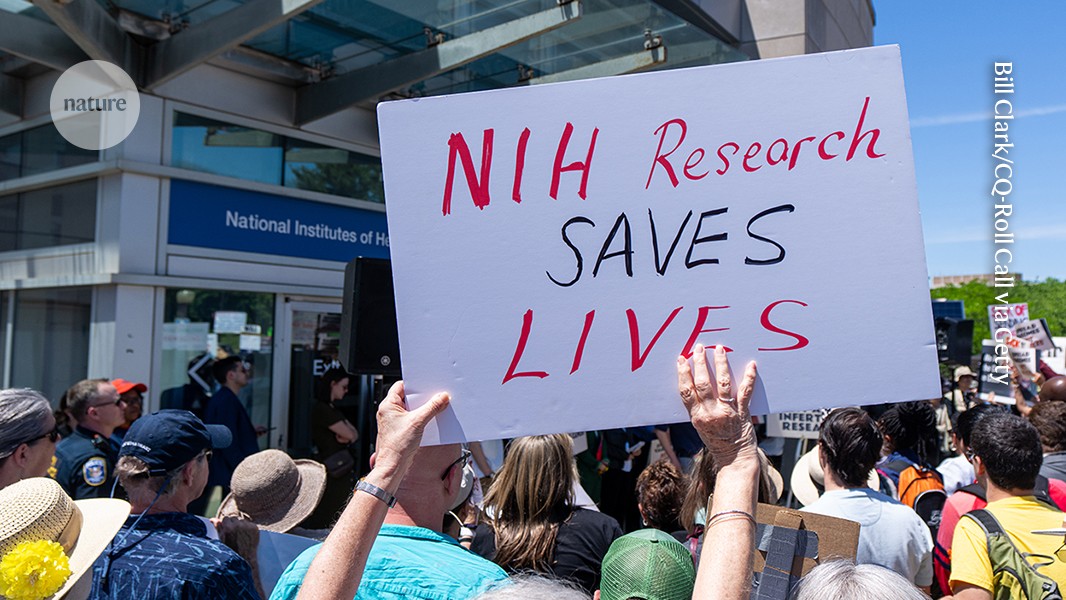
Some units at the US funding giant are so understaffed, they are focusing on mandated grant renewals rather than new awards.
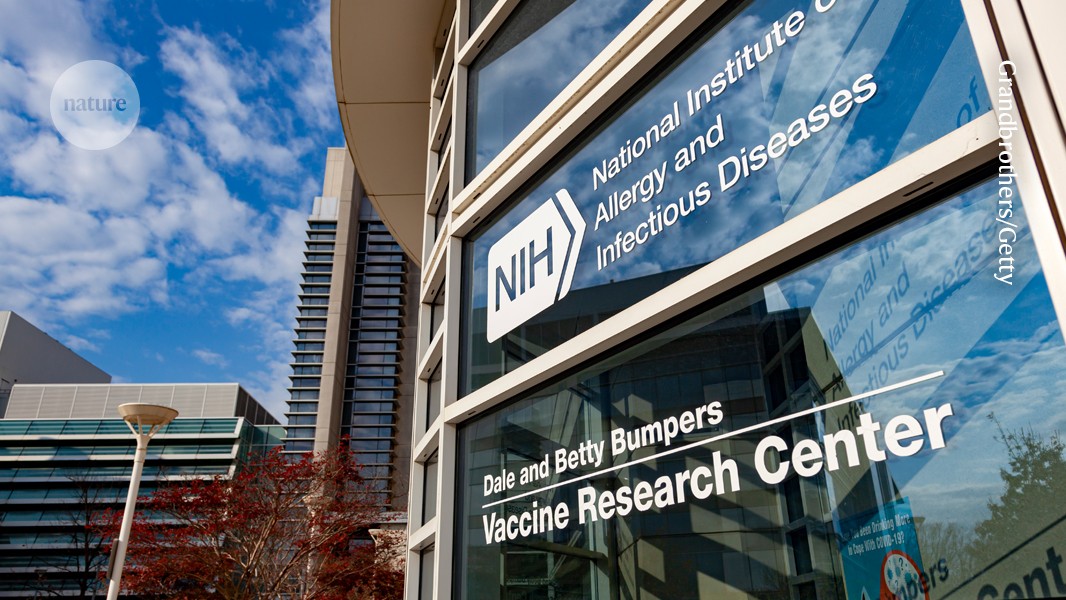
Eight of the top ten officials at the US National Institute of Allergy and Infectious Diseases have now been pushed out since President Donald Trump took office.

The Trump administration has spent months investigating the lab after a Chinese postdoc was charged with smuggling biological material into the country.
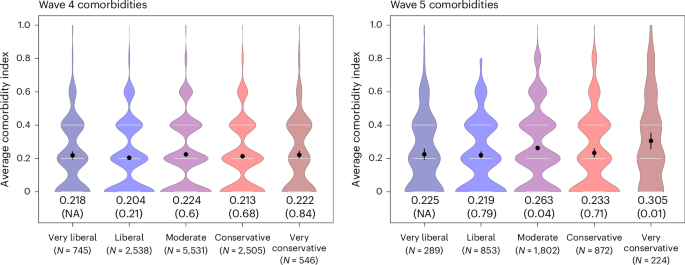
Using individual-level medical data and death records, this study finds that conservatives in the USA experienced worse health and higher mortality than liberals during the 2010s. No significant gaps in biomarkers or mortality were present before the 2010s.
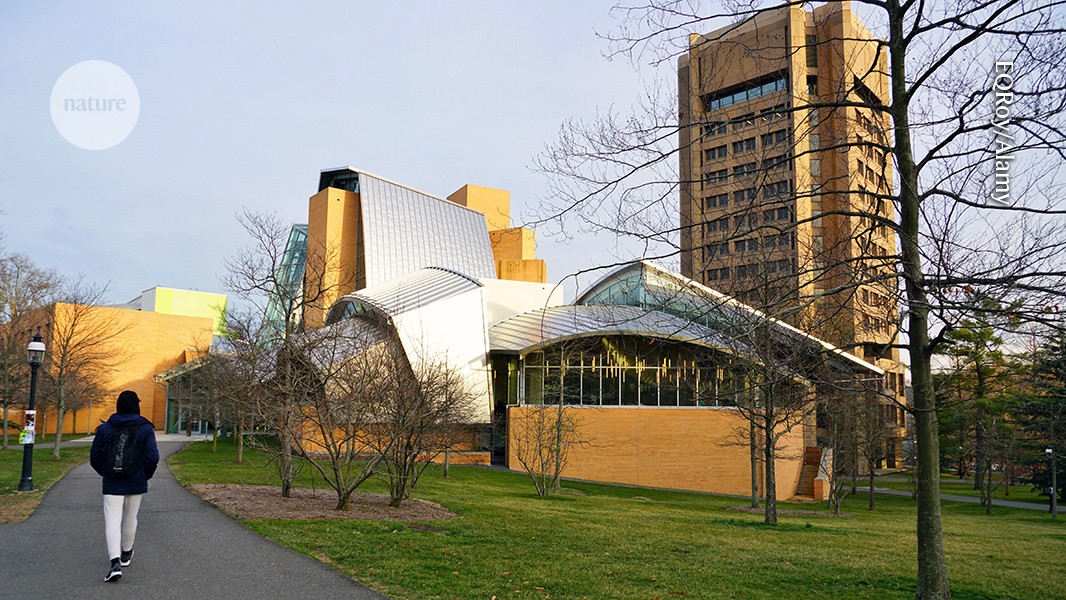
US science funder once again restricts awards to Harvard University and other research institutions.
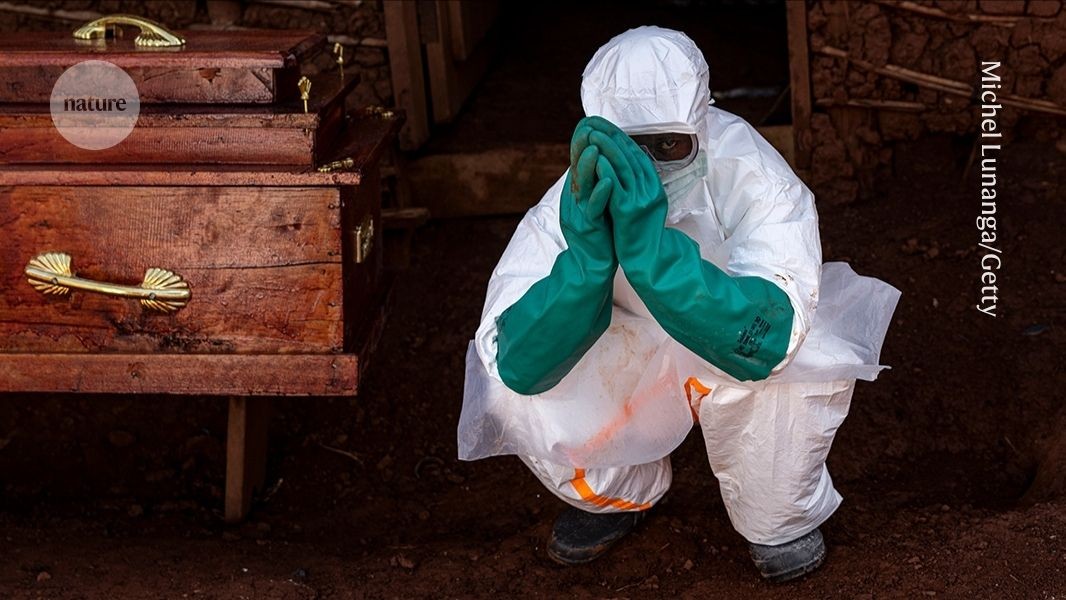
The deadly disease was identified half a century ago in the Democratic Republic of the Congo. It is unacceptable that it continues to take lives.
Proteins that ‘buffer’ the effects of mutations could help to treat diseases such as cancers. Plus, goats can follow human voices and the battle over a key ocean observatory project in the United States.
Some say there’s a global crisis of trust — but research reveals where the real problems lie.
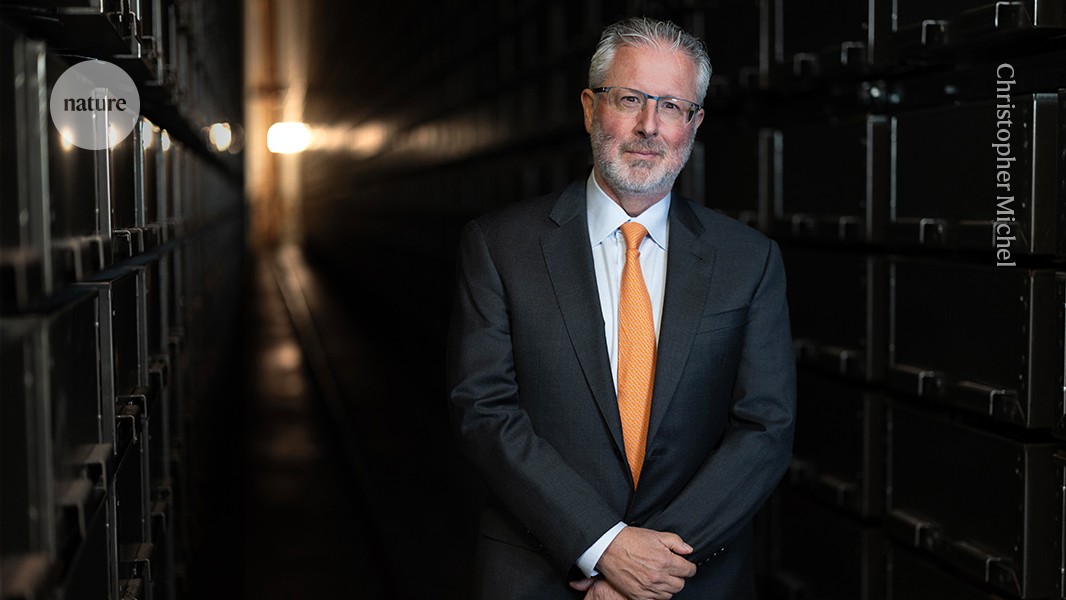
New leader of the National Academy of Sciences Neil Shubin warns: ‘a society that loses science loses the future’.

Omar Yaghi’s move comes amid cuts to US science and a campaign in China to recruit top international talent.
A proposed clawback of already distributed research funds comes as the US agency’s budget is already squeezed and it struggling to clear a backlog of grant applications.
How sodium-ion batteries could change the world. Plus, the evolution of handedness with an ancient worm and how scientists are revealing the mysteries of the deep ocean.
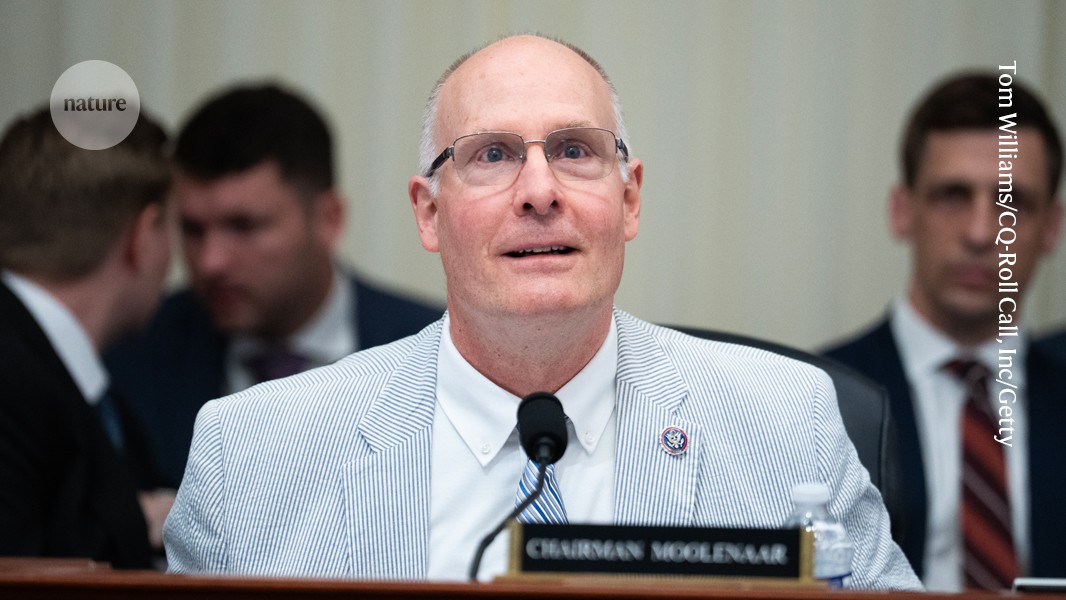
Republicans and Democrats worry about research theft and exploitation — but don’t agree on how to solve the problem.

Amid funding cuts and political barriers, researchers are asking whether the campaign can ever succeed, and what to do next.
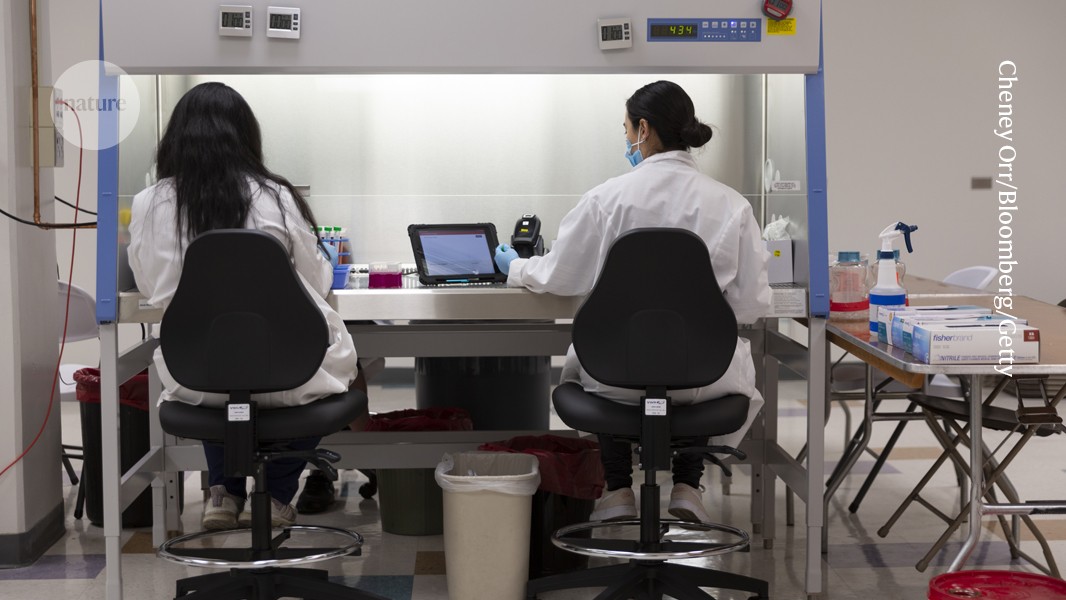
Trump administration takes action to address ‘forever students’.
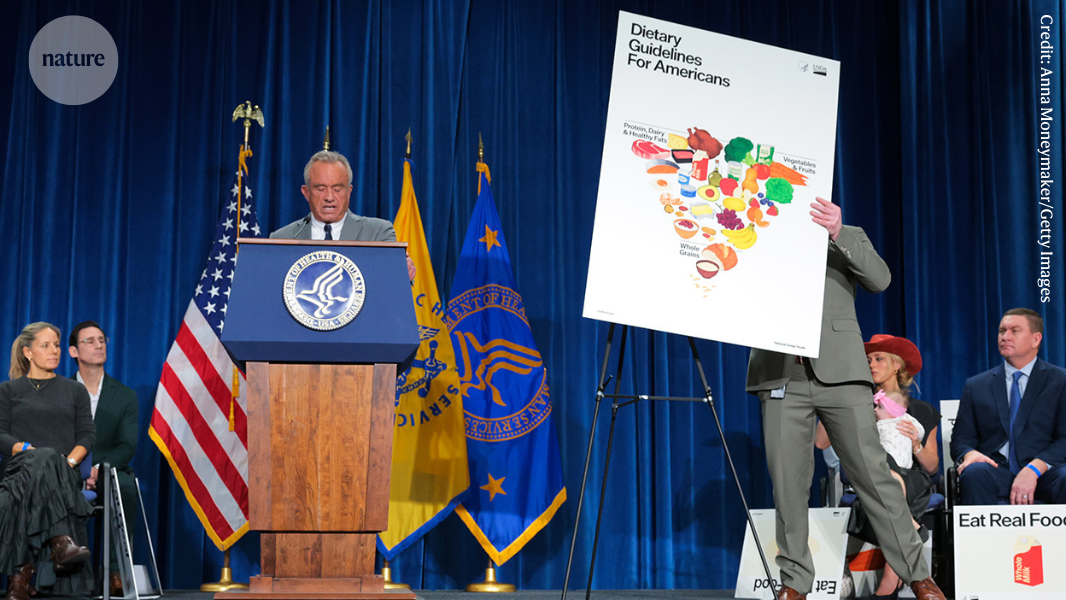
Researchers share their views on the US health policy spanning topics from vaccines to nutrition.
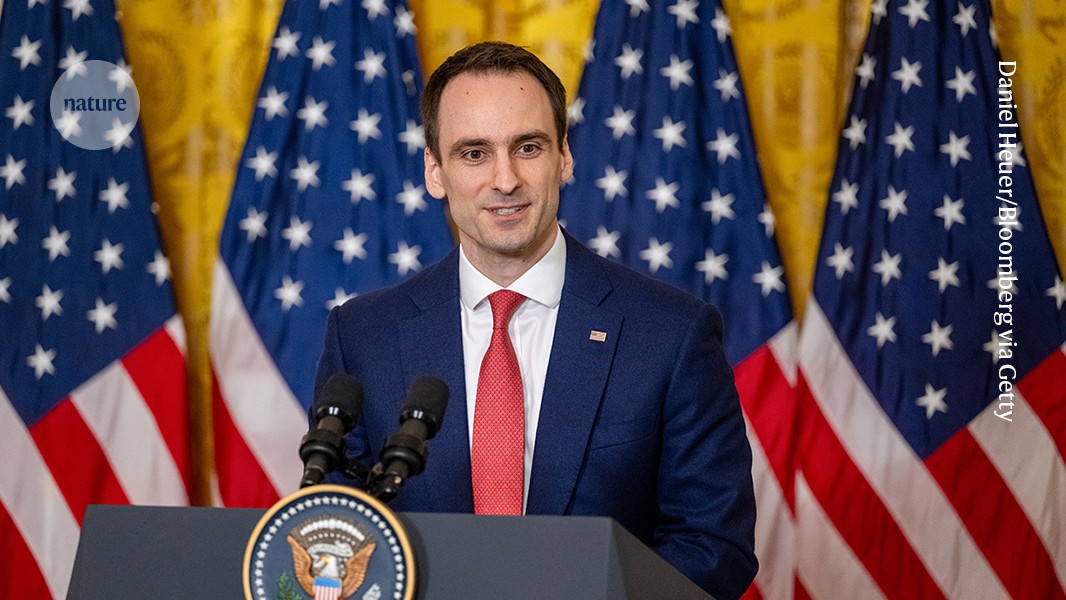
Chief US science adviser calls for a shakeup in funding while handing out grants to accelerate research with AI.
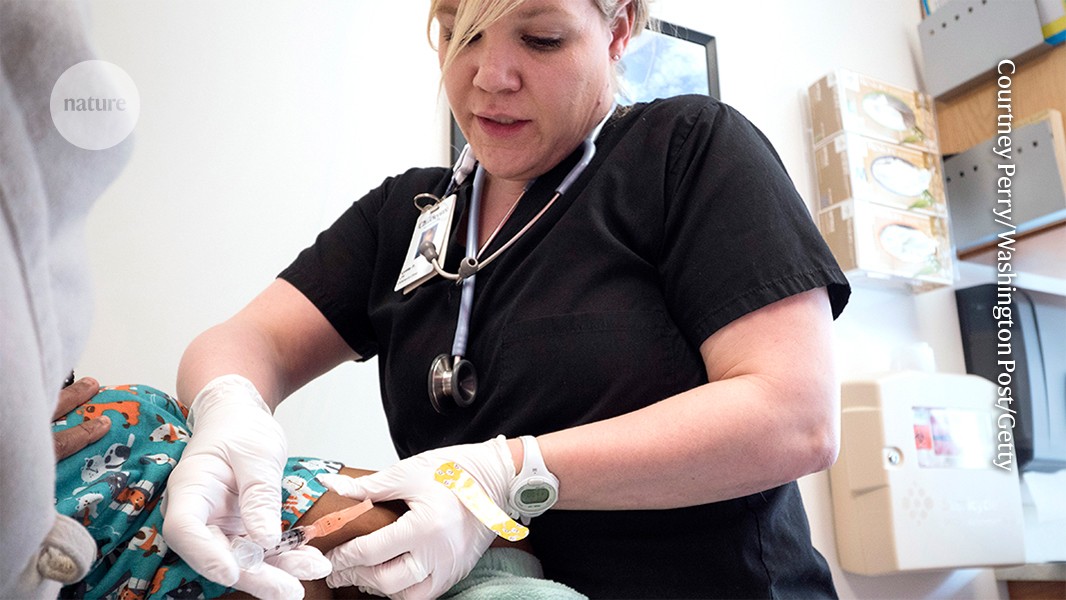
Numerous studies have shown that separating childhood jabs will delay protection and increase costs for families.
Proponents argue that the current system creates a false sense of precision, but critics fear that the change could increase political interference.
The US science-funding agency is withholding $1 billion of its budget so that the money can go to a special White House project.

As the world debates how to regulate artificial intelligence, Europe’s lawmakers are doing a lot of the heavy lifting.
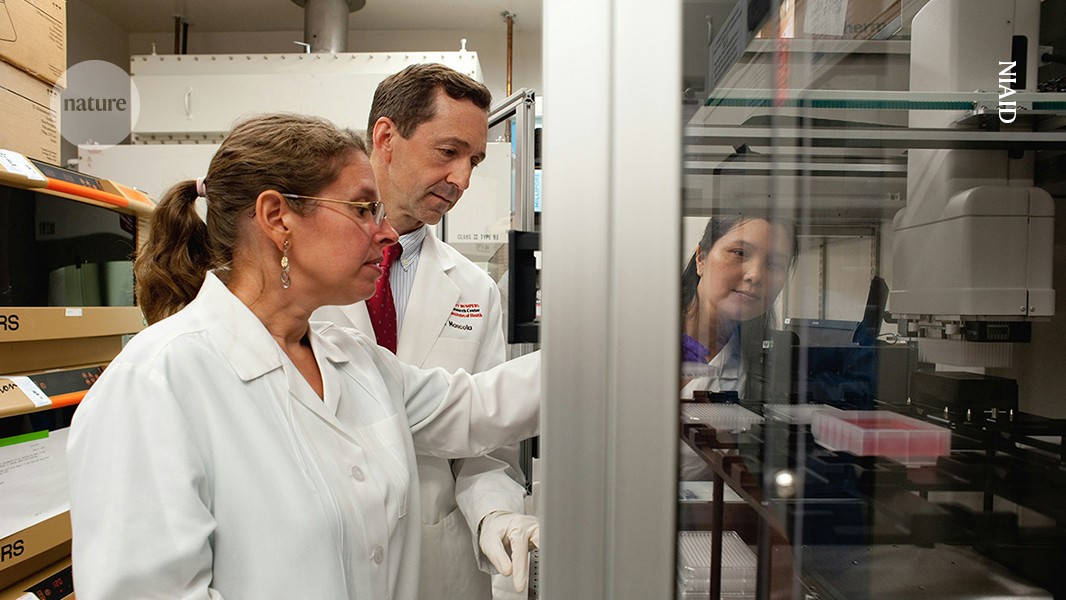
An agreement paves the way for hundreds of millions of dollars’ worth of projects to be transferred from the NIH’s institute for infectious diseases to the Department of Defence.
The major funder of basic science has not said how its new initiatives will be funded — but staff worry streamlined approach will further squeeze cash for core sciences.
Proposed rule would choke off a crucial STEM talent pipeline, policy specialists say